



In the rapidly evolving world of satellite communications, choosing the right frequency band for your ground station is one of the most critical technical decisions you will make. This choice dictates everything from data download speeds to the size of your antenna and the reliability of your connection during a storm.
Whether you are launching a CubeSat or managing a global High-Throughput Satellite (HTS) network, understanding the trade-offs between S-Band, X-Band, and Ka-Band is essential. This guide breaks down these technical segments into clear, actionable insights for beginners and professionals alike.
1. S-Band Ground Stations: The Reliable "Workhorse"
Technical Profile: 2 – 4 GHz
The S-Band is often referred to as the "insurance policy" of satellite missions. Because it operates at lower frequencies, its waves are longer and more resilient to physical obstacles.
- Key Advantage: High Reliability (Rain Fade Resistance). S-Band signals are virtually immune to weather. Rain, snow, or thick clouds will not drop your connection.
- Primary Use Case: TT&C (Telemetry, Tracking, and Command). It is used to "talk" to the satellite—checking battery health, adjusting orbit, and sending basic instructions.
- Hardware: Uses larger antennas but cheaper, more mature electronic components.
Real-World Example: The International Space Station (ISS) and almost all LEO (Low Earth Orbit) satellites use S-Band for their vital "health and status" communications because they cannot afford a signal dropout during an emergency.
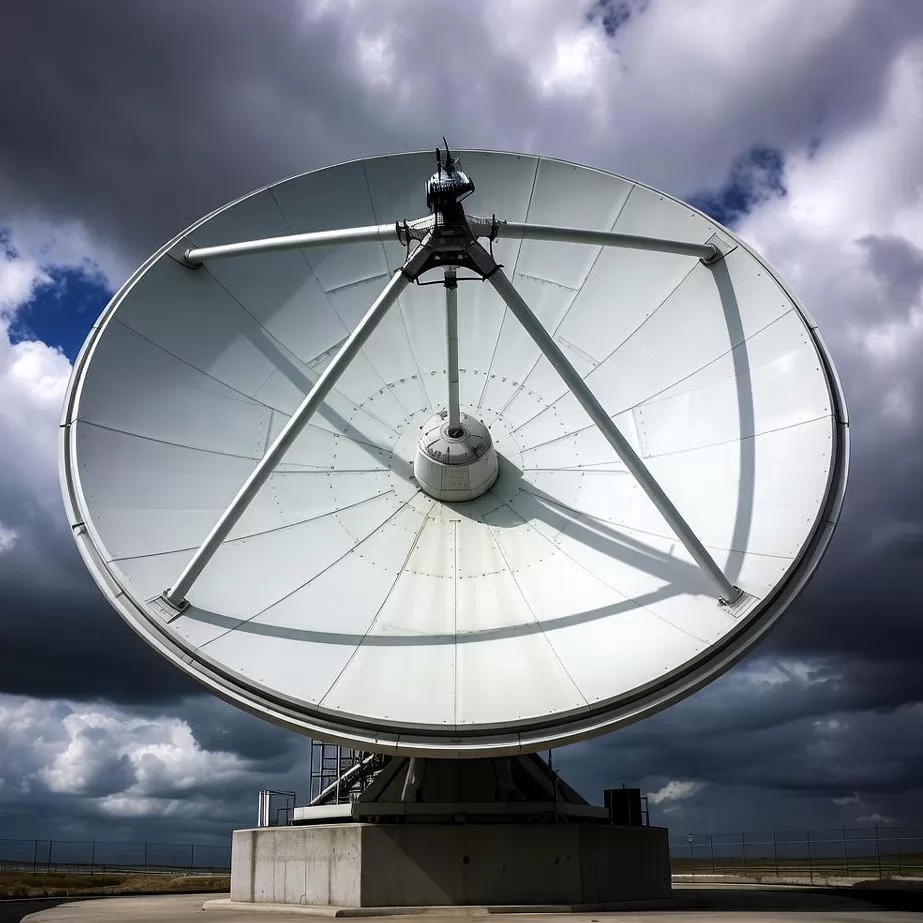
2. X-Band Ground Stations: The Gold Standard for Precision
Technical Profile: 8 – 12 GHz
The X-Band strikes a sophisticated balance between the stability of the S-Band and the speed of the Ka-Band. It is a "reserved" space in the spectrum, primarily used by government and scientific entities.
- Key Advantage: Interference-Free & Secure. Much of the X-Band is reserved for military and Earth observation missions, meaning there is less "noise" from commercial radio or Wi-Fi.
- Primary Use Case: High-Resolution Imaging. It has enough bandwidth to transmit high-quality Synthetic Aperture Radar (SAR) data and detailed scientific imagery.
- Why it matters: It provides high "resolution" in space-to-ground communication, allowing for precise tracking of moving objects.
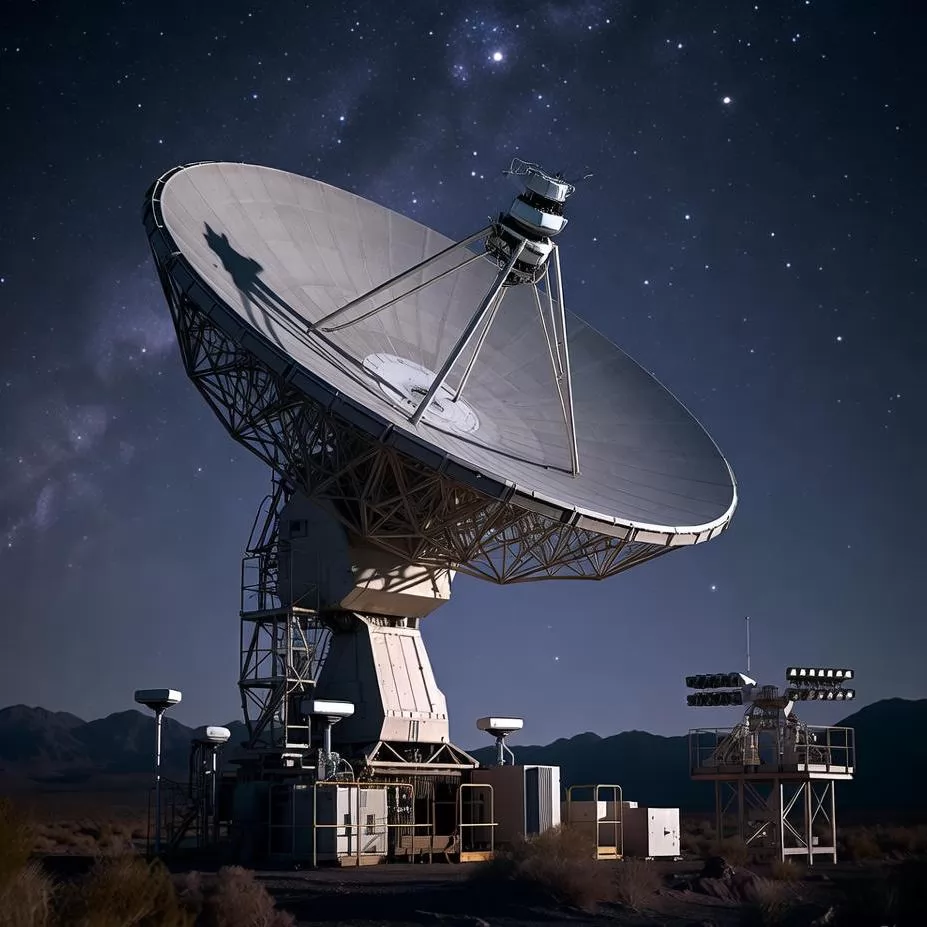
3. Ka-Band Ground Stations: The High-Speed "Powerhouse"
Technical Profile: 26 – 40 GHz
If S-Band is a reliable two-lane road, Ka-Band is a 10-lane superhighway. As the demand for 4K video and global internet from space grows, Ka-Band has become the industry standard for high-volume data.
- Key Advantage: Massive Bandwidth. It can transmit gigabits of data per second (Gbps). It also allows for much smaller antennas on the ground.
- The Challenge: Rain Fade. At these high frequencies, the wavelength is roughly the size of a raindrop. This means rain can physically block and scatter the signal.
- Primary Use Case: Broadband Internet & HTS. Think Starlink, OneWeb, and commercial satellite TV.
Selection Tip: To combat "Rain Fade" in Ka-Band, operators often use Site Diversity—building two ground stations 50 miles apart so that if it's raining at one, the other can take over.
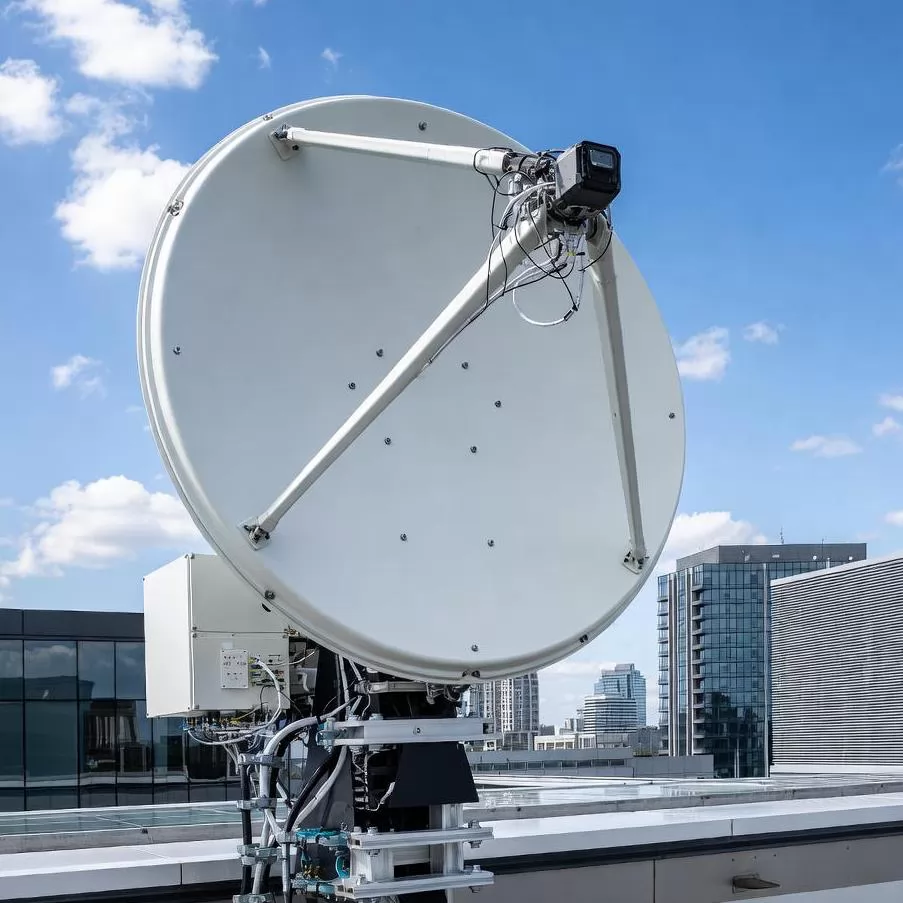
Quick Comparison Table
| Feature | S-Band | X-Band | Ka-Band |
|---|---|---|---|
| Data Speed | Low (Kbps to Mbps) | Medium (Mbps) | Ultra-High (Gbps) |
| Weather Resistance | Excellent | Good | Poor (Requires mitigation) |
| Antenna Size | Large | Medium | Small / Compact |
| Best For | Satellite Health / Command | Military / Science / Radar | Consumer Internet / Video |
Selection Criteria: Which Band Should You Choose?
Choosing a band isn't about finding the "best" one; it’s about matching the frequency to your mission's Link Budget and budget constraints.
- How much data are you moving? If it's just text-based logs, stay with S-Band. If you are streaming live 4K video, Ka-Band is your only option.
- Where is your ground station located? If you are building a station in a tropical region with heavy monsoons, a Ka-Band-only setup will experience frequent outages. You might need an X-Band backup.
- What is your hardware budget? While Ka-Band antennas are smaller, the electronics (RF front-end) are more expensive and harder to manufacture than S-Band components.
Frequently Asked Questions (FAQ)
1. Why do many satellites use both S-Band and Ka-Band?
This is called a "Hybrid" approach. The S-Band acts as the "control channel" (sending commands to the satellite), while the Ka-Band acts as the "data pipe" (downloading the actual mission data). This ensures that even if a storm knocks out the high-speed data, you can still control the satellite via S-Band.
2. Is Ka-Band more expensive than X-Band?
In terms of hardware, Ka-Band equipment often carries a premium due to the precision required for high-frequency components. However, X-Band can be more "expensive" in terms of licensing and regulatory hurdles because it is so strictly controlled by governments.
3. Can a single ground station antenna support all three bands?
Yes, modern "Tri-band" antennas use complex feed systems to switch between or simultaneously receive S, X, and Ka bands. These are the "Swiss Army Knives" of the ground segment world.
Conclusion: The Future is Multi-Band
Selecting the right frequency band is more than just a technical checkbox—it is a strategic decision that affects your mission’s cost, reliability, and scalability. Whether you are navigating the regulatory complexities of X-Band, mitigating rain fade for a Ka-Band broadband network, or establishing a rock-solid S-Band link for a new CubeSat constellation, you don't have to do it alone.
At NewStar. we specialize in end-to-end ground segment solutions. From precision-engineered hardware to global "Ground Station as a Service" (GSaaS) deployments, we provide the infrastructure that keeps your data flowing, no matter the weather.